.jpg)
Planetary mixers are the cornerstone in many commercial and non-commercial kitchens, providing staff with a productive way to make a variety of menu items. Like any piece of kitchen equipment, these mixers require proper training to prevent some common pain points that can cause quality issues, downtime and increased costs.
1. Poor incorporation of ingredients.
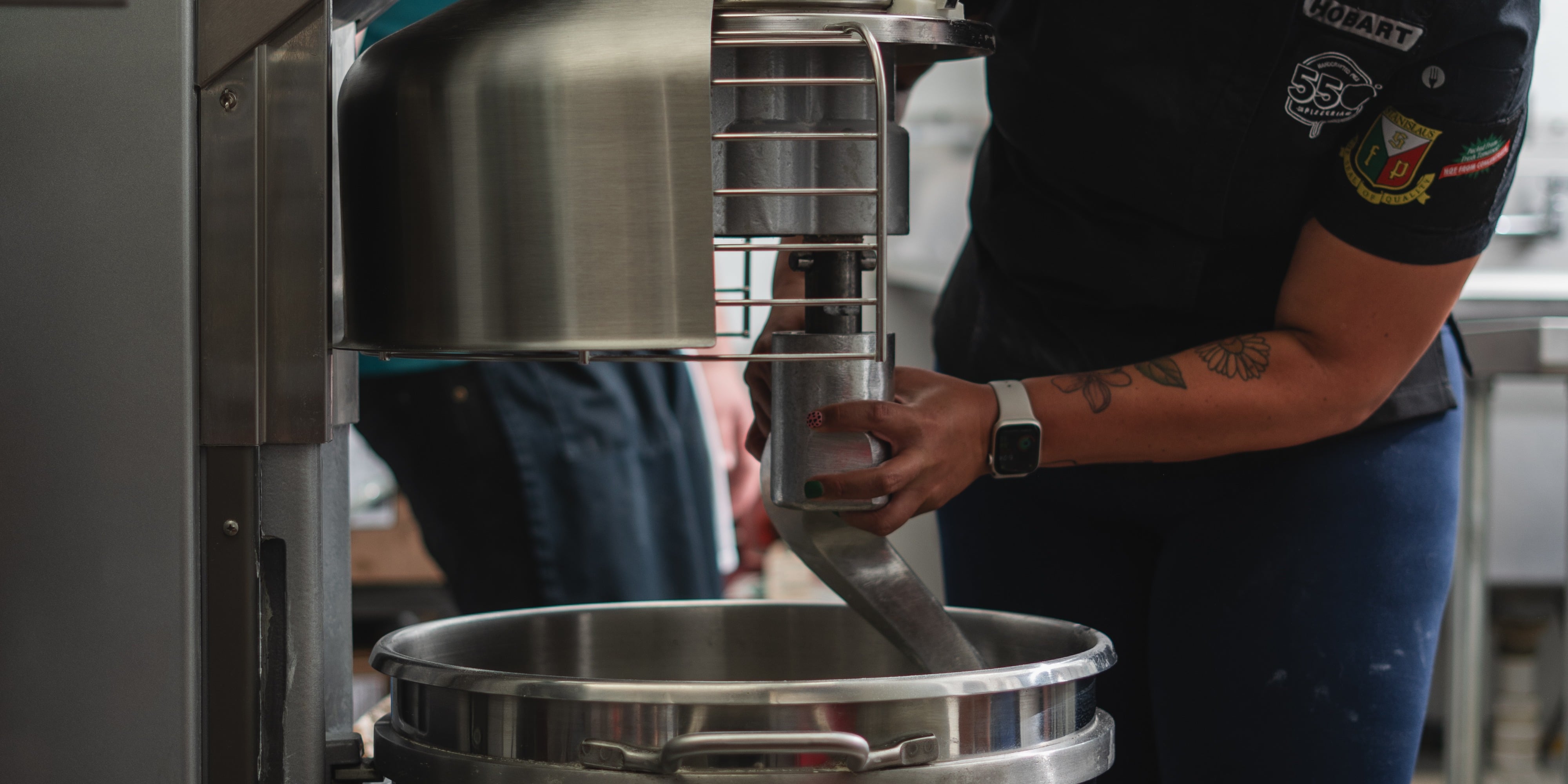
Consistency is the aim when mixing ingredients for a recipe. Having too small a batch in a larger mixer bowl can result in poor mixing since the agitators and ingredients don't make adequate contact. That can leave unincorporated ingredients at the bottom of the bowl, leading to poor quality output and potentially wasted batches that increase costs and labor for remixing fresh ingredients.
Always be sure to have the proper agitator-to-bowl clearance for the batch being mixed. The clearance should be close enough to mix the ingredients, but not so close that the agitator contacts the bowl. If these components make contact, it can result in damage to both pieces and is also harsh on the drive components.
Using the wrong attachment or the wrong mixing speed can also result in poor incorporation of ingredients. Consult the mixer manufacturer’s recommendation for which agitator is best for specific ingredients — dough, batter, egg whites and more. Hobart has a mixer accessories guide for choosing agitators for its Legacy+ mixers, and it also includes recommended starting and mixing speeds.
2. Mixer overloading and overheating.
Right sizing the mixer to the batches of ingredients is important. Again, too large a bowl for a small batch leads to poor mixing; however, purchasing too small of a mixer and overloading it can lead to a host of problems. These include overheating the motor or placing excessive wear on the gears over time, as well as damage to attachments, poor incorporation of ingredients and longer mixing times. Ultimately, overloading a mixer can cause the equipment to fail prematurely.
Operators need to look beyond bowl size to what the mixer’s actual capacity is for specific ingredients. For example, bread doughs are heavier than whipped toppings or mashed potatoes, so filling the bowl too full of dough will be more taxing on the mixer’s motor and other components. When mixing dough, it’s important to account for the absorption ratio to ensure the mixer offers the correct capacity.
Hobart offers a capacity chart for its Legacy+ mixers to guide operators on the recommended volume of specific ingredients for each size mixer. The capacity and absorption ratio calculator can also help users determine the right size Legacy+ mixer based on batch size for common recipes and ingredients.
3. Attachment damage or difficulty installing/removing.
Damaged attachments, whether broken whips, beaters or dough hooks, are an indication of excessive batch size, batches of ingredients that are too firm or using the wrong attachment. Too high of speeds can also damage attachments. If the attachments are difficult to install or remove, it may be a matter of flour or food residue clogging up the planetary.
Be certain the batches match the capacity of the mixer bowl and follow the recommended speed for the ingredients. Clean the mixer thoroughly after each use to prevent buildup of food debris. Look for mixers that are designed with easy-to-install attachments.
Hobart offers its Quick-Release™ agitators on its Legacy+ mixers to simplify installation and removal, while also providing a consistent bowl-to-agitator ratio that ensures thorough mixing. This feature easily locks the agitator to the mixer shaft to eliminate the up/down play of bayonet-style agitators.
4. Unexpected shutdowns and excessive noise.
There are several issues that could lead to a planetary mixer stopping unexpectedly. Overloading the mixer can be the culprit, but it can also happen if the operator has not properly engaged the mixer’s interlocks. For Hobart mixers, that means having the bowl fully up and locked into place with the bowl guard secured.
Overlooking routine maintenance can also create wear on the motor, gears or other components that cause the mixer to shut down or start making noises that indicate a problem. Operators should inspect the mixer regularly to ensure that the points on the mixer that lower and rise are properly lubricated; if necessary, lubricate the agitator shaft. It’s also important to inspect the mixer daily for any damage.
Hobart offers a daily maintenance checklist for quick mixer inspections and more detailed maintenance recommendations can be found in the Legacy+ mixer instruction manuals. Operators should also plan to have yearly maintenance checks by Hobart Service to support consistent operation of their mixer.
5. Time-consuming cleaning and food safety risks.
Some kitchen staff may view cleaning a mixer to be time-consuming and difficult. In reality, cleaning and sanitizing this equipment doesn’t have to be cumbersome — not to mention, it is also a non-negotiable task to support food safety and prevent food-borne illnesses. Always follow the manufacturer’s instructions for cleaning and sanitation.
Wipe down the exterior of the mixer with a clean, damp cloth to remove food debris, as well as wiping under the planetary where the mixing action takes place. Spray Quat solution to sanitize. Allow the mixer to air dry or use a clean towel to dry. This cleaning should be done regularly throughout the day for single recipes and always between batches of different ingredients. Never use a water hose to clean the mixer, as it can damage parts, and avoid using abrasives that can scratch the surface of the mixer. Doing so can create areas for bacteria to settle.
Hobart Legacy+ mixers have removable parts, like the bowl, bowl guard and agitators that can be cleaned in a commercial dishwasher to save time. Proper training on the do’s and don’ts of mixer cleaning by all staff members is important.
Following some best practices can help kitchen staff gain consistent mixing and quality output, with minimal waste of ingredients or its associated costs. Having the right size mixer and paying attention to capacity guidelines, maintenance recommendations, and cleaning recommendations is also key to preventing common mixing pain points. If any issues arise that need to be addressed, always contact a trusted dealer or Hobart service for assistance.

About the Author
 Ashley Shepherd is the product line manager for Hobart – Food Preparation Products. She has been with Hobart Food Prep since 2025 and specializes in Hobart mixers, specialty, and food processing equipment. See all her blogs here.